Welcome back to our virtual tour of Israel. Today we arrive at an ancient city that has been renovated into one of the most beautiful seaport towns in Israel. Jaffa dates back at least 4,000 years and has been the center of legends of conquests, mythological tales, biblical narratives, and modern sagas. This port of entry is the best place to dive into an overview of Israel’s historical narrative.
Jaffa’s natural harbor has been in use since the Bronze Age (3200-1200 BCE). It is mentioned in an Ancient Egyptian letter from 1470 BCE, glorifying its conquest by Pharaoh Thutmose III, who hid armed warriors in large baskets and gave the baskets as a present to the Canaanite city’s governor. Little did the governor realize that there were Egyptian warriors hidden in the baskets ready to take the city by surprise! Believe it or not this story pre-dates the Trojan Horse of Troy by almost 300 years!
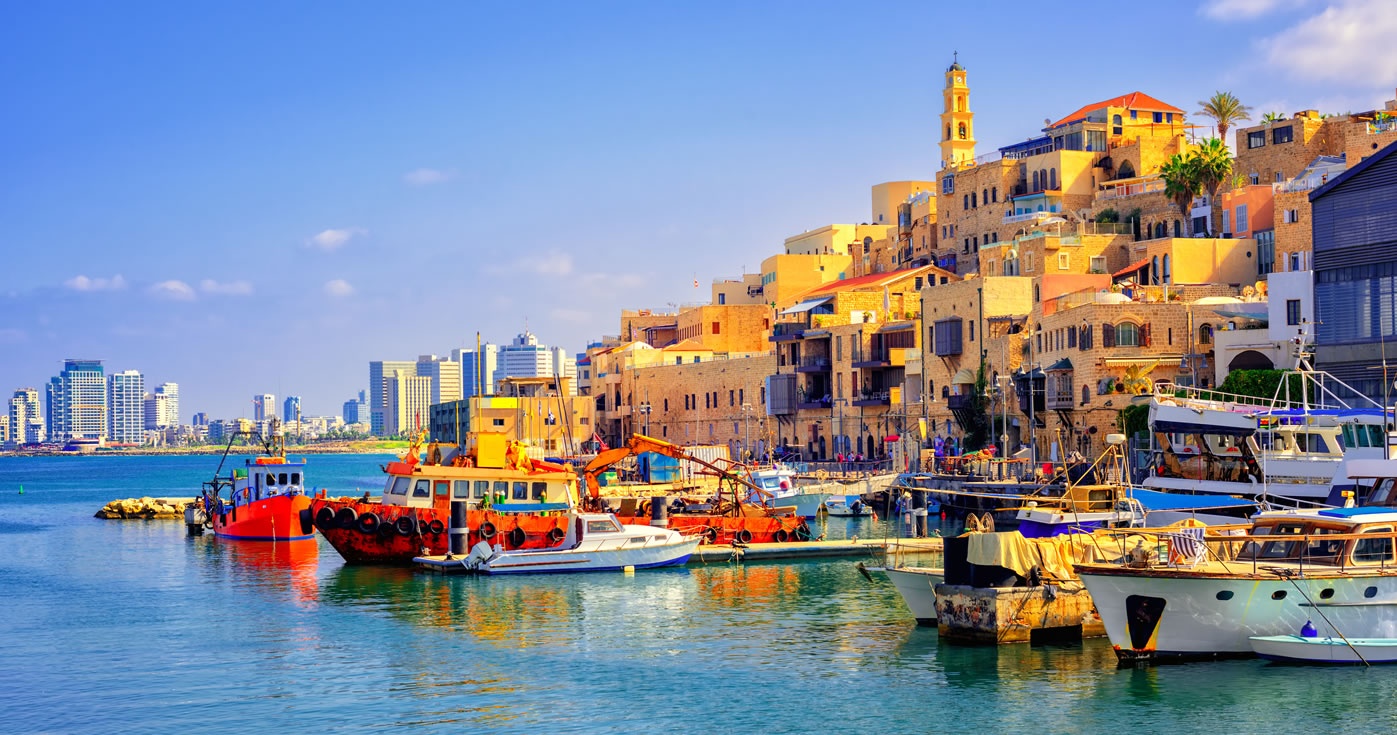
Jaffa port- modern day Photo Credit: New Go Israel
Two hundred years after Thutmose III’s conquest of Jaffa, Ramesses II was in charge of the city. This was the same Egyptian Pharaoh believed to be in power when Moses pled to “let his people go!” Forty years later, around 1200 BCE, the Israelites came to conquer and settle in the land of Canaan. Forty years of wandering in the wilderness seems like a long time until we realize that the promise given to Abraham by God happened hundreds of years earlier. The Hebrew people had been waiting for this moment for a very long time.
When King Solomon built what is known as the First Temple (Beit haMikdash), in around 960 BCE, he brought Cedars of Lebanon through the Jaffa port to the building site in Jerusalem. The biblical account is found in 2 Chronicles 2:15:
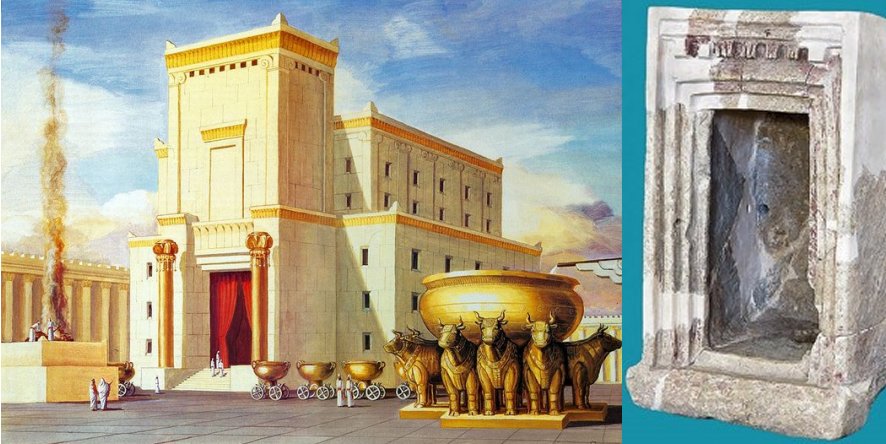
Photo depiction of King Solomon’s temple. Photo Credit: Ancient Pages
“And we will cut wood out of Lebanon, as much as thou shalt need; and we will bring it to thee in floats by sea to Joppa; and thou shalt carry it up to Jerusalem.”
Joppa (Jaffa) was one of 46 cities that Sennacherib, King of Assyria, besieged in the 8th century BCE, in route to conquer Jerusalem. According to the biblical account in 2 Kings 18, the Lord slaughtered 185,000 men of the Assyrian army and Sennacherib left defeated. Of course, Sennacherib tells a different story of the account in the Assyrian Chronicles. Here is what it says, in part:
“Hezekiah himself I shut up in Jerusalem, his capital city, like a bird in a cage, building towers round the city to hem him in, and raising banks of earth against the gates, so as to prevent escape.”
In any event, no matter from whose perspective history was written, Sennacherib failed to conquer Judah; but not before his predecessors had successfully conquered the Northern Tribes of Israel. These Northern Kingdom tribes are known today as the 10 Lost Tribes.
Now that we’ve mentioned the Assyrians, it is only appropriate that I tell a story of an event that happened here off the coast of Jaffa in those very days.
Jonah was a prophet from Galilee and his story takes place somewhere between 780 BCE and 760 BCE. During this period of history, Assyria was a powerful, evil nation and Israel’s most dreaded enemy. The Lord spoke to Jonah and told him to go to Nineveh, the capital of Assyria, and preach to the Ninevites. Jonah was supposed to warn the Ninevites to repent or suffer the consequences of their wickedness.
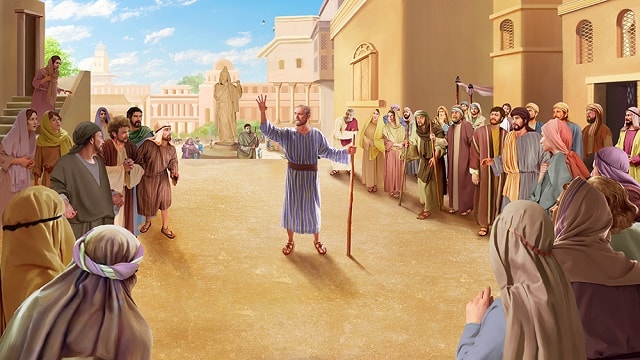
Photo depiction of Jonah preaching to the Ninevites. Photo Credit: Find the Shepard
Jonah had other ideas, though. Instead of heading for Nineveh, he took off for Tarshish, Spain. His motives could have been fear or revenge or both. Jonah hopped on a boat headed for Tarshish, attempting to hide out from God. At night, a huge storm comes up and tosses the boat wildly. The sailors are afraid and all start to pray to their gods, while Jonah sleeps soundly below deck. The captain goes down to Jonah’s cabin and pulls him out of bed. The sailors all question Jonah about what he’s done to bring this storm on them. He confesses that he is running away from God’s will and tells the sailors to throw him overboard to spare their lives, and they do.
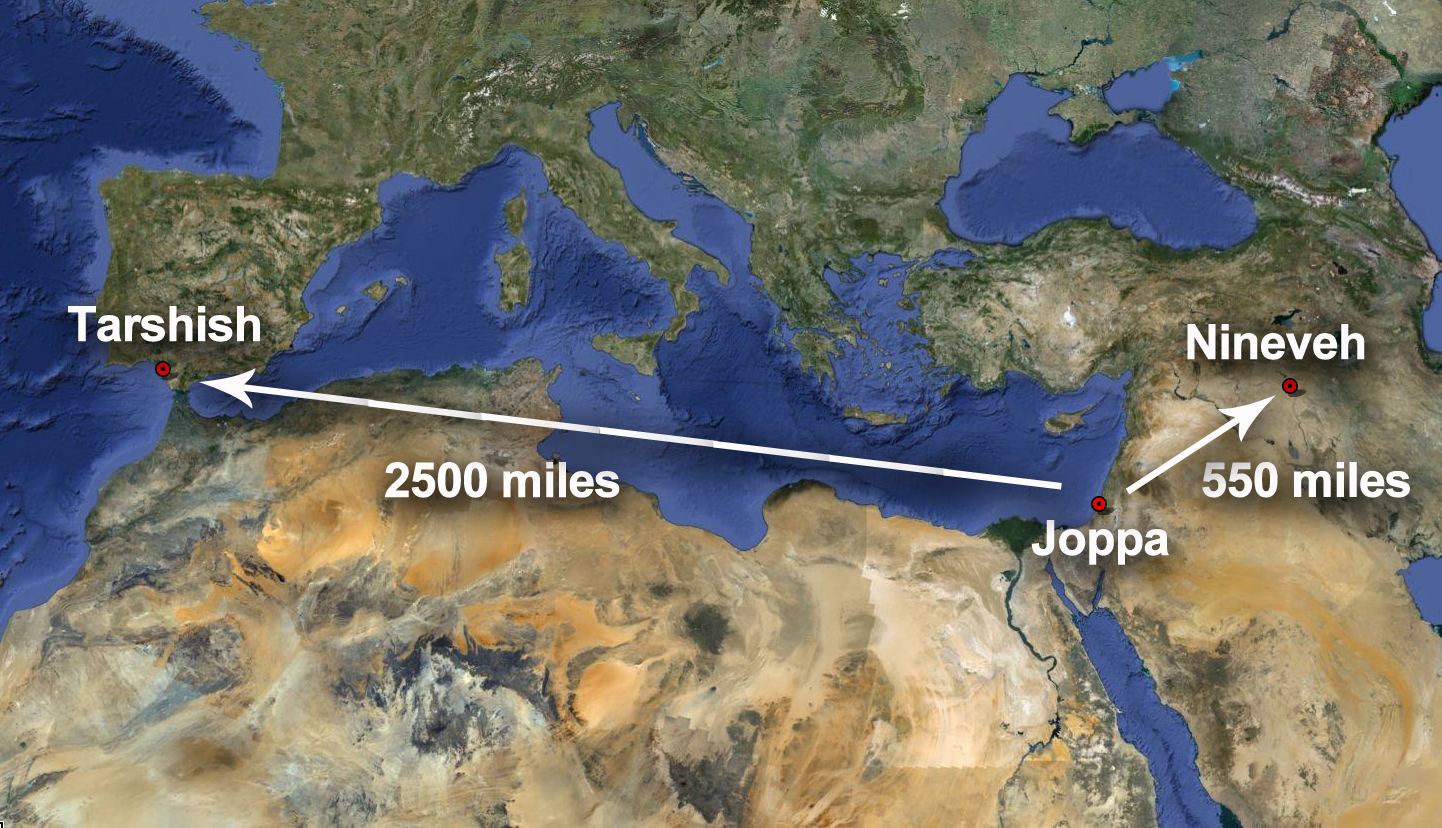
Jonah’s journey explained visually. Photo Credit: Faith Church
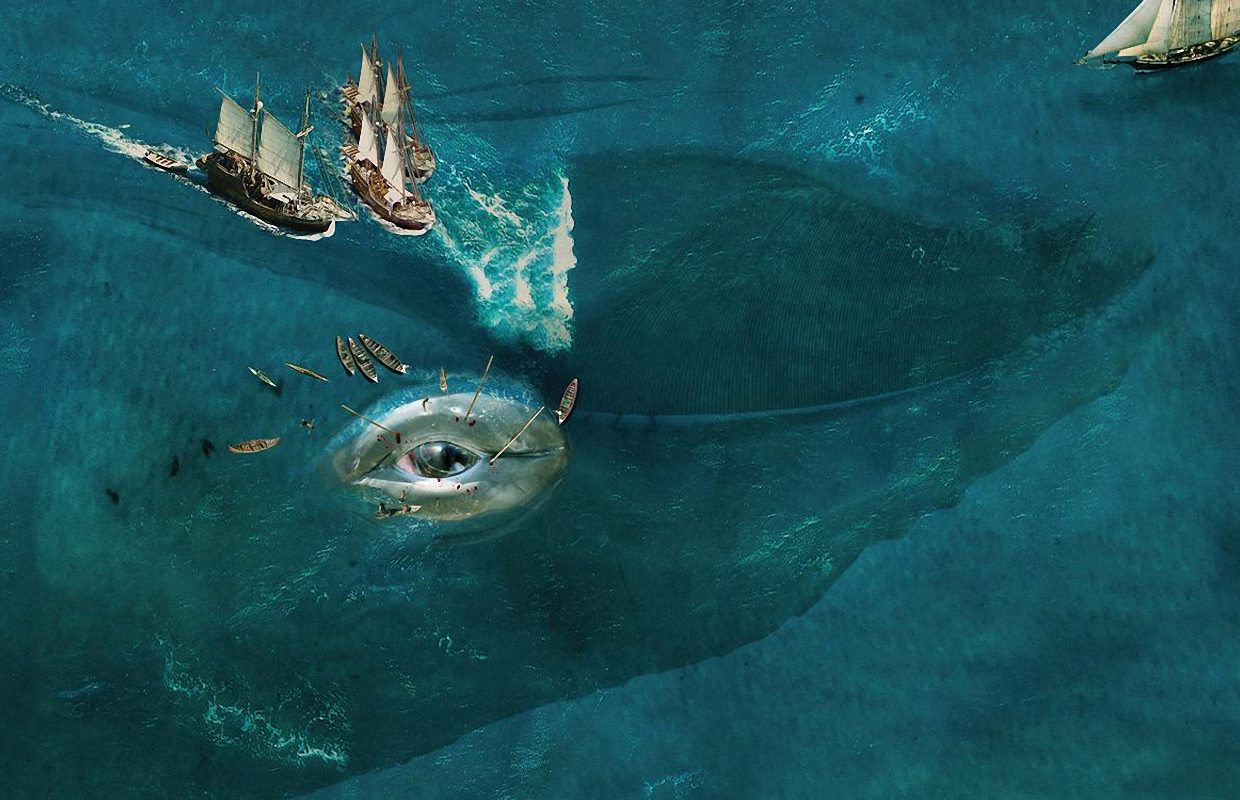
As Jonah is sinking into the sea, a big fish swallows him. Jonah sits in the whale’s belly for three days and as many nights. He spent that time in prayer, thanking God for saving him. I’m not certain how grateful I’d be after sitting in a fish’s belly come day two or three. But Jonah doesn’t complain. He is sincere in his prayer and God tells the fish to spit Jonah out on shore.
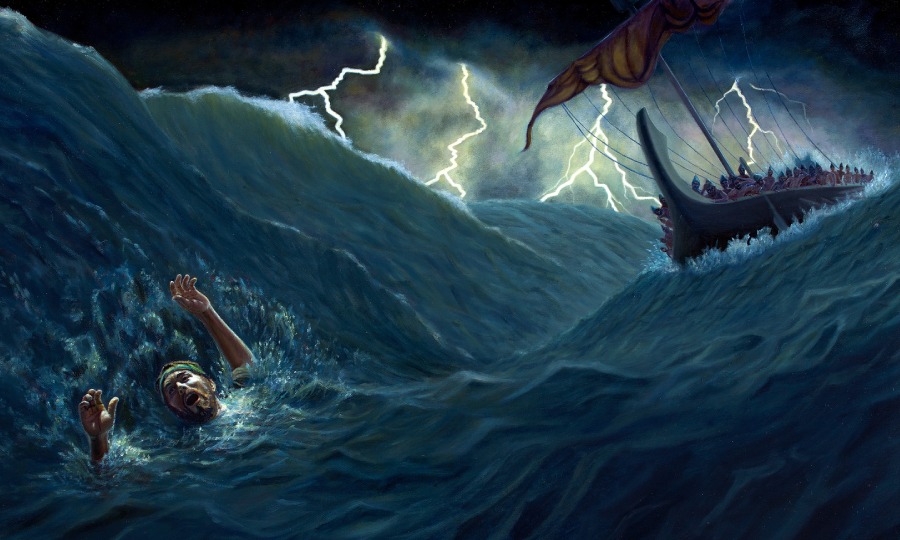
Depiction of Jonah thrown overboard and swallowed by a whale. Photo Credit: Steemkr
Then, the Lord tells Jonah again to go to Nineveh, the capital of the Assyrian Empire, and preach repentance. Imagine being Jonah, walking into a city of your enemies and preaching a message that is bound to be more than unpopular. It would be terrifying! But, Jonah, this time, does as he’s told and amazingly the people repent. Nineveh was spared and Jonah walks away from the situation mad at God. He builds himself a little shelter outside of town and pouts. Jonah just couldn’t get over the idea that God wanted to save 120,000 people who were professed enemies of the Israelites.
This is a lesson to ponder. It might be easier to sit in the belly of a fish for three days than to make that decision to obey God and go. Have you ever had a hard time having compassion for people who hate you? Read the entire account of the story in Jonah 1-4. It really is a great read…and a story that challenges our hearts. Can we practice that kind of compassion?

Photo Credit: JW.org
We will continue in Old Jaffa next week.
Blessings from Israel
Cover Photo Credit: wall.alphacoders.com